
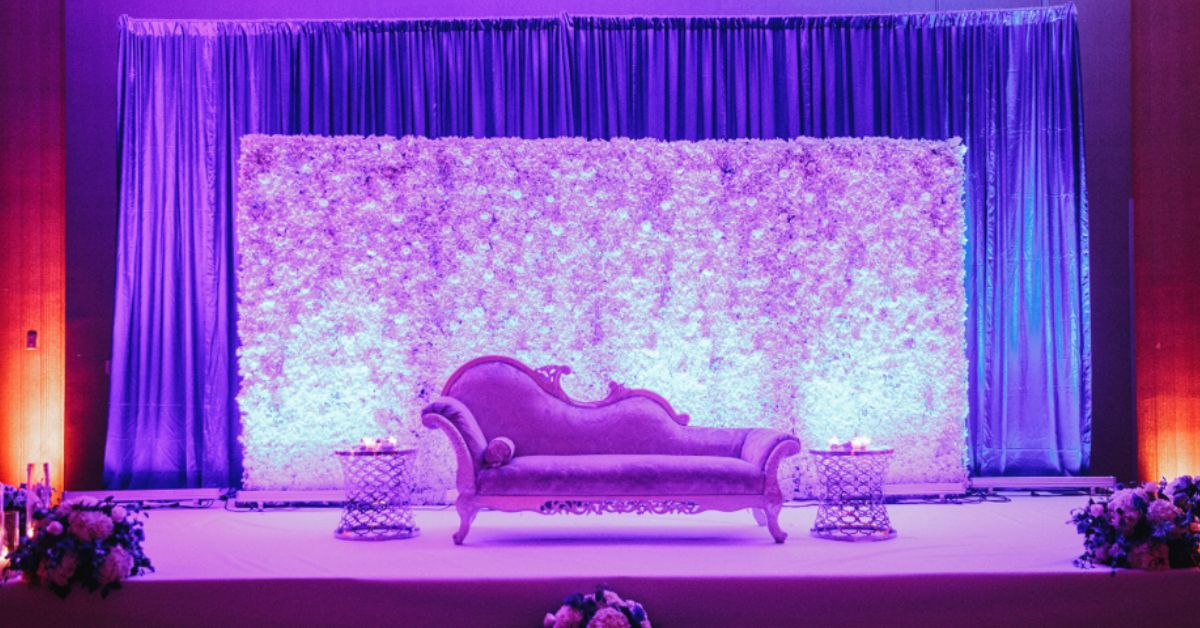
Indoor events have a way of exposing weak planning almost immediately. Guests may not know why a room feels awkward, but they notice when speakers look disconnected from the audience, when sightlines are blocked, or when the stage lighting makes the entire presentation feel flat. Good staging rarely draws attention to itself because it supports everything around it quietly. Bad staging becomes part of the event, whether anyone intended it to or not. That is why choosing an indoor stage rental in Palm Beach deserves more thought than comparing square footage and rental pricing.
The Venue Will Decide More Than You Think
Ballrooms and conference spaces come with their own personalities, and some are far less cooperative than they appear during walkthroughs. Ceiling heights change from one section of the room to another. Freight access may be limited to a narrow service hallway. Some venues schedule events so tightly that setup crews inherit impossible timelines before guests arrive. Carpeted floors create leveling issues more often than people realize, especially in older hotels where the subfloor has settled unevenly over time. We always look at the room before talking seriously about staging dimensions because venue limitations shape nearly every production decision that follows.
Stage Size Has to Match the Room Properly
Oversized staging is one of the most common mistakes at indoor events. People assume bigger automatically feels more impressive, but scale matters. A stage that dominates the ballroom can make presenters feel isolated and strangely distant from the audience. The opposite problem happens too. Small platforms tucked into the corner of a large room make keynote speakers disappear behind banquet tables and floral arrangements. The right stage size depends on audience layout, presentation format, screen placement, and how movement will happen throughout the event. None of those decisions should be improvised during the week of setup.
Safety Should Never Feel Optional
Most guests never think about stage safety unless something goes wrong, which is exactly how it should be. Stable staging is supposed to feel invisible. What people do notice are shaky stairs, exposed cables, uneven surfaces, and awkward access points that force speakers to climb onto the platform uncomfortably. Professional setups account for practical details long before doors open. Important considerations include:
- ADA-compliant ramps
- Secure stage locking systems
- Proper cable routing
- Non-slip stage surfaces
- Level support across uneven ballroom flooring
Those details may sound small until somebody in formal shoes nearly slips while walking onstage under bright lighting.
Lighting Carries More Weight Than Décor
People spend enormous amounts on décor while treating lighting like an afterthought, which honestly makes little sense once you have worked enough events. Lighting controls the mood of the room. It shapes how faces appear on camera, how branding looks on screens, and how much energy the audience feels during presentations. Poor lighting drains life out of even expensive staging designs. Harsh overhead ballroom fixtures flatten everything visually and make speakers look exhausted. Controlled lighting adds depth, focus, and clarity without overwhelming the room itself.
AV Planning Needs to Happen Early
Indoor productions have become increasingly technical over the last several years. Stages now support LED walls, presentation graphics, livestream equipment, confidence monitors, multiple microphones, and synchronized playback systems all at once. Once those pieces start getting layered together without proper planning, setups become messy very quickly. We have walked into beautiful venues where cables crossed guest walkways and oversized screens blocked half the audience’s view because nobody accounted for spacing ahead of time. Technical coordination matters even more during high-pressure business events that resemble large corporate stage rentals in Orlando productions, where timing errors become painfully visible the moment the presentation starts.
Coordination Separates Experienced Crews From Everyone Else
The biggest difference between strong production teams and inexperienced ones usually appears during setup hours before guests arrive. Experienced crews move with structure because staging, lighting, audio, and venue coordination were already planned. Inexperienced teams tend to troubleshoot basic logistical problems in real time, which creates stress that spreads across the entire production schedule. At Arc Divine, we understand how much smoother indoor events become when every technical and staging element works from the same coordinated plan instead of operating independently.
Conclusion
Before moving forward with any indoor stage rental in Palm Beach, spend a little time paying attention to how the company actually approaches the work behind the scenes. Anybody can drop stage panels into a ballroom. That part is easy. What matters is whether the setup fits the room properly, whether presenters can move comfortably, whether the lighting feels natural once guests sit down, and whether the entire production runs without constant last-minute adjustments. People may not walk out talking about the stage itself, but they absolutely remember when an event feels smooth, organized, and comfortable from start to finish. If you are putting together an indoor event and want a setup that feels intentional instead of pieced together under pressure, reach out to us, and we will help create a stage design that makes sense for your venue, your audience, and the way the event is actually going to unfold.
FAQs
1. How far in advance should I book an indoor stage rental in Palm Beach?
Answer:
For larger events, booking several weeks ahead is always safer, especially during busy event seasons when venues and production schedules fill quickly.
2. What stage size works best for indoor corporate events?
Answer:
The right size depends on audience count, room dimensions, screen placement, and how presenters will move throughout the event.
3. Can indoor stages support lighting and LED wall setups?
Answer:
Yes, professional staging systems are designed to integrate with lighting rigs, LED walls, sound systems, and other AV equipment safely.
4. Why does venue layout matter so much for stage planning?
Answer:
Ballroom dimensions, ceiling height, access points, and floor leveling all affect how the stage functions once the event begins.
5. What separates professional staging companies from basic rental providers?
Answer:
Experienced crews focus on coordination, safety, technical planning, and room flow instead of simply delivering stage platforms on setup day.