How Far in Advance Should You Reserve an Acrylic Wedding Arch in Miami?
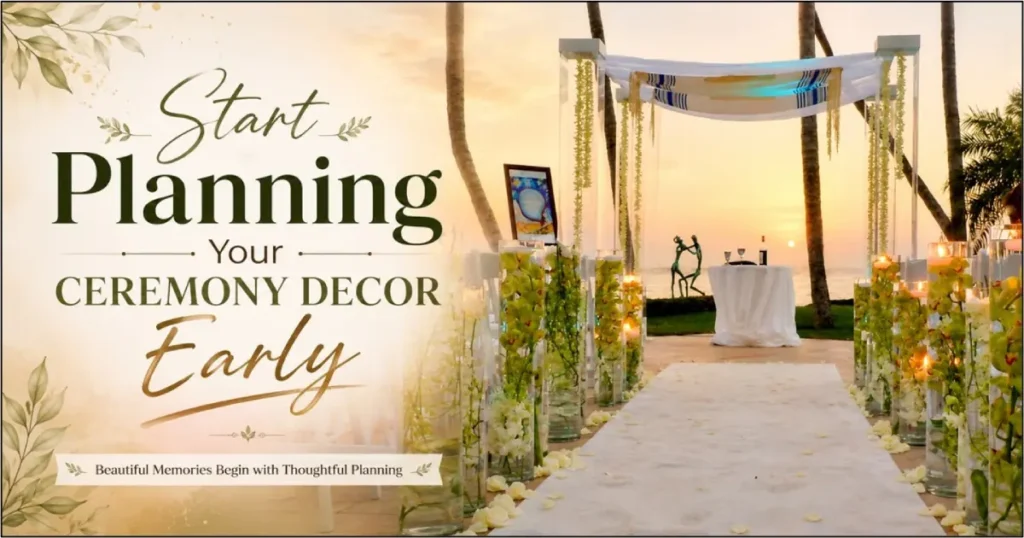
Blog How Far in Advance Should You Reserve an Acrylic Wedding Arch in Miami? Start Planning Your Ceremony Decor Early Some wedding decisions can wait a little while. Others are much easier when they are handled early, and ceremony décor is one of them. Once the venue has been booked, it makes sense to start thinking about the backdrop where the vows will take place. Couples often spend months choosing flowers, attire, and table settings, yet the ceremony is where the day truly begins. If a clear, contemporary design is part of the vision, reserving an acrylic wedding arch in Miami sooner rather than later gives you the best chance of getting exactly what you want instead of settling for what happens to be available. Why Waiting Can Limit Your Options Wedding rentals follow the same pattern as many other vendors. The most popular dates fill up first, especially during spring and fall when ceremonies are happening almost every weekend. By the time couples begin looking at décor only a few weeks before the wedding, certain pieces have already been reserved months in advance. That does not necessarily mean nothing will be available, but the range of choices becomes much smaller. Having flexibility is always better than having to compromise, particularly when the ceremony backdrop will appear in nearly every important photograph. Give Yourself Time to Refine the Details One of the overlooked benefits of booking early is the freedom to make thoughtful decisions instead of rushed ones. Wedding ideas evolve. A floral design that seemed perfect in the beginning may look completely different after meeting with a florist. Color palettes often shift, and couples sometimes discover inspiration they had not considered at the start of planning. A clear acrylic arch works with almost any style because it blends naturally into its surroundings while allowing flowers, greenery, or fabric to stand out. Reserving it early means those creative changes can happen without worrying about whether the foundation of the ceremony design is still available. A Practical Timeframe for Booking If you are searching for an acrylic wedding arch in Miami for rental, begin the process shortly after confirming your venue and wedding date. That timing gives everyone involved enough room to coordinate schedules without unnecessary pressure. Florists need to know how they will decorate the structure, planners want setup times confirmed, and rental providers often schedule multiple events on the same weekend. When those conversations happen well in advance, the entire process tends to move much more smoothly. A Few Guidelines That Make Planning Easier There is no universal booking calendar because every wedding has different priorities, but these recommendations usually work well. Reserve six to twelve months ahead if your wedding falls during peak season. Plan for at least four to six months if your wedding takes place during a quieter part of the year. Finalize your venue before confirming ceremony rentals. Discuss floral and decorative plans as early as possible. Double-check delivery, setup, and pickup schedules before the wedding week arrives. Early Planning Leaves More Room to Enjoy the Process Ask almost any couple after their wedding, and they will probably say the same thing: the last few weeks went by in a blur. One day you’re choosing music for the ceremony, and before you know it, relatives are calling, vendors are checking in, and the to-do list seems to grow overnight. Having the ceremony arch already arranged is one less decision waiting for your attention. It is the kind of thing you barely think about when everything goes smoothly, but you are certainly glad it was sorted out ahead of time. Why Clear Acrylic Continues to Be a Favorite in Miami Every Miami venue has its own personality. A ceremony on the beach feels completely different from one in a grand ballroom or beneath the trees in a private garden, yet a clear acrylic arch seems to work in all of those settings. It never overpowers the space. Instead, it quietly frames the ceremony and lets the flowers, the view, and most importantly, the couple, draw the eye. That is one of the reasons an acrylic wedding arch in Miami continues to appeal to so many couples. Years from now, when they flip through their wedding album, the backdrop still feels elegant instead of tied to a passing trend. Experience Makes the Process Simpler A ceremony arch may be the part everyone notices, but there is quite a bit that happens before anyone takes their seat. Delivery has to be on schedule, the setup needs to suit the venue, and everything should be ready well before the ceremony begins. At Arc Divine, we pay close attention to those details because they make the day easier for everyone involved. When the planning has been done carefully, couples can spend less time thinking about logistics and more time enjoying one of the biggest moments of their lives. Conclusion Wedding days have a way of arriving sooner than expected. Once everything starts falling into place, it is a relief to know your ceremony backdrop is already taken care of. That leaves a little more space to focus on the people around you and enjoy the day as it unfolds. If you’re thinking about reserving your wedding arch, get in touch with us. We’ll be happy to answer your questions and help you find an option that suits your venue, your style, and the celebration you’ve been planning. FAQs 1. When should I reserve a wedding arch for my Miami wedding? It is best to book your wedding arch soon after confirming your venue and date. Early reservations give you more options and reduce last-minute stress. 2. Why is it important to book a wedding arch early? Popular wedding dates fill up quickly, especially during peak seasons. Booking early helps ensure the style you want is still available. 3. Can a clear acrylic wedding arch match different wedding themes? Yes. Its simple, transparent design works beautifully with modern, classic, beach,
Wedding Ceremony Stage Tips and Tricks Designers Use to Create a Luxury Look Without Overdoing It
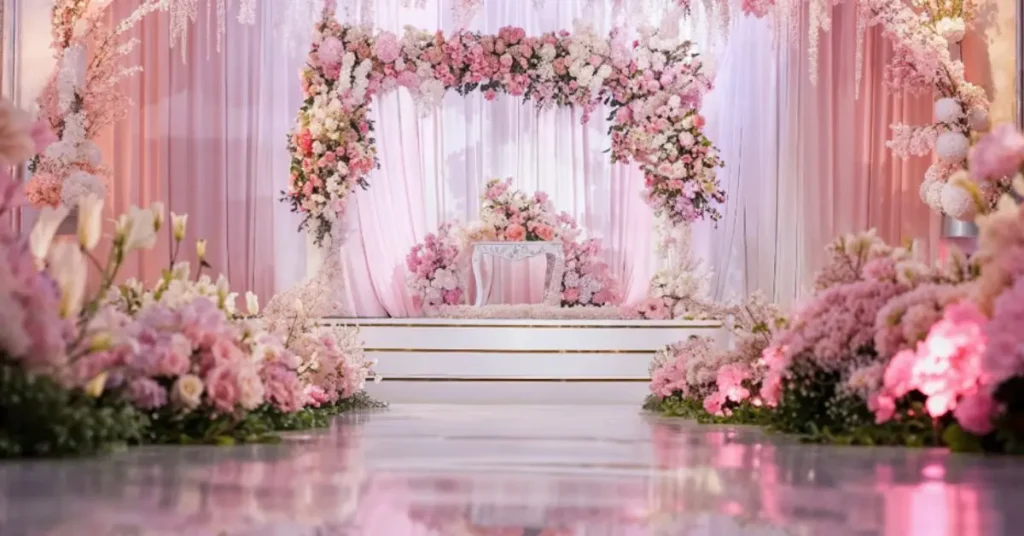
Blog Wedding Ceremony Stage Tips and Tricks Designers Use to Create a Luxury Look Without Overdoing It A well-made wedding setup rarely works because it is full of things. It works because someone decided what not to include. When we plan a stage for a wedding ceremony, the first real challenge is not decoration at all, it is judgment. What deserves space, what quietly supports the moment, and what only adds noise. That line is thinner than most people expect. In this blog, we will learn some tips and tricks that will help you understand how designers actually build a refined and luxurious wedding setup without making it feel crowded or overdone. Tip 1: Get the scale right before you think about anything else Most design issues start long before flowers or fabrics enter the picture. A stage for a wedding ceremony has to sit correctly inside the venue; everything else is just compensation work. Ceiling height, viewing distance, and the width of the room quietly decide how the stage should breathe. When those proportions are off, even good design feels slightly uncomfortable, though people usually cannot explain why. When it is right, you feel it immediately without needing to think about it. Tip 2: Leave space where your instinct says to fill it Negative space makes people uneasy at first because it feels like something is missing. In reality, it is doing the heavy lifting. A clean wedding ceremony stage depends on that restraint. If every surface is occupied, the eye has nowhere to rest, and the whole setup starts feeling louder than intended. The better approach is simple. Place fewer elements, but let them sit properly. The difference shows up more in photos than in words. Tip 3: Light is not support, it is structure Lighting gets treated like a finishing touch, but that approach rarely holds up in real venues. A stage for a wedding ceremony changes character completely depending on how it is lit. The angle matters more than the brightness. A soft backlight can give depth to something very minimal, while poor frontal lighting flattens even detailed setups. This is why experienced teams design lighting alongside structure instead of adjusting it at the end when everything else is already fixed. Tip 4: Too many materials usually means less clarity There is a quiet rule most designers follow without saying it out loud. The more material variety you introduce, the harder it becomes to control the final look. Fabric, florals, reflective surfaces, and structures all behave differently under light. When they are mixed without intention, the design starts to lose direction. A strong wedding ceremony stage often uses fewer materials, but each one is chosen for a reason that holds up even under scrutiny. Tip 5: Decide what the eye should notice first and stick to it Every stage has a hierarchy, whether it is planned or not. The problem is when it is accidental. On a stage for a wedding ceremony, the couple should never have to compete with the decor for attention. That sounds obvious, but it gets complicated quickly when design elements start getting added. Height, framing, spacing, and contrast all need to support that single focal point. If they do not, the stage becomes visually busy even if it looks expensive. Tip 6: Repetition only works when it is controlled Repeating elements can create rhythm, but they can also create clutter if they are done without discipline. You see this often in floral layouts where patterns continue just because there is space left. That usually weakens the design. Repetition should guide the eye, not fill gaps. Once it turns into filler, the entire stage starts to feel less intentional. Tip 7: Assume the camera is always judging the setup A modern stage for a wedding ceremony is not just experienced in person anymore. It is photographed from multiple distances and angles, often more than it is actually looked at directly. That changes everything. Depth matters more than decoration. Background separation matters more than surface detail. If the design collapses into a flat image, it loses half its purpose, no matter how it feels in the room. Tip 8: Simplicity only works when it is deliberate Simple does not mean easy. In fact, simplicity usually takes more decisions, not fewer. When unnecessary elements are removed carefully, what remains has to carry the entire visual weight. That is where restraint becomes skill. A well-designed wedding ceremony stage feels calm because nothing was done, but because everything unnecessary was taken out early enough to let the structure breathe. At Arc Divine, this is the part we care about most, not how much we can add, but how cleanly a stage for a wedding ceremony can hold attention without trying too hard. Conclusion There is a point in design where adding more stops improves nothing and only starts filling space. Getting to that point takes judgment, not decoration. If you are planning a wedding and want a setup that feels composed rather than crowded, we can help you shape it with clarity and intention. Reach out to us and let’s design something that feels considered from the first idea to the final stage. FAQs 1. What is the biggest mistake people make in wedding ceremony stage design? The most common mistake is overloading the stage with too many elements. It reduces clarity and makes even expensive setups feel cluttered. 2. How does proportion affect a wedding ceremony stage? Proportion decides how naturally the stage fits into the venue. If it’s off, the design feels awkward, no matter how good the decor is. 3. Can a simple wedding ceremony stage still look premium? Yes, simplicity often looks more premium when it is intentional. Clean spacing and strong structure can create a more luxurious feel than heavy decor. 4. Why is visual hierarchy important in stage design? Visual hierarchy ensures the couple remains the main focus of the stage. Without it, attention gets scattered across different decorative
Understanding the Full Process Behind Renting a Clear Acrylic Wedding Structure
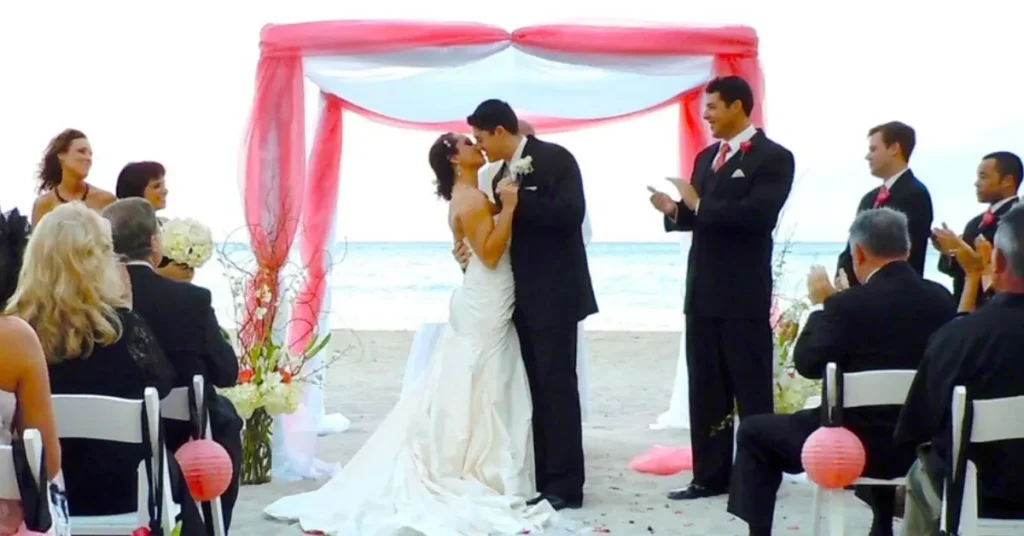
Blog Understanding the Full Process Behind Renting a Clear Acrylic Wedding Structure What the rental process actually starts with Renting a clear acrylic backdrop is rarely a plug-and-play decision, even though it might look that way in photos. Most couples come in thinking about aesthetics first, which is fair, but the real work begins with context. The venue changes everything. A beach setup behaves differently from a ballroom, and even indoor lighting can shift how the structure reads in photos. When we start a project, the first thing we focus on is how the ceremony space actually functions in real life, not just how it is supposed to look on paper. That early grounding saves a lot of trouble later. How planning quietly shapes everything Once the basics are in place, the conversation moves into layout, proportions, and timing. This is where an acrylic wedding backdrop either works beautifully or starts to feel forced, depending on how well the space is understood. Measurements matter more than people expect. Ceiling height, aisle width, guest distance, and even the angle of entry for the couple all affect placement. We also coordinate closely with planners because no structure exists in isolation on a wedding day. Everything is connected, and if one piece is off, it shows immediately in the final experience. Why styling is less about decoration and more about restraint This is usually the part people misread. With a transparent structure, there is a temptation to add more, but that rarely improves anything. The better approach is controlled design thinking. A well-built acrylic wedding backdrop does not rely on volume; it relies on placement and negative space. Florals are not there to cover the structure; they are there to frame it. Sometimes a single asymmetrical arrangement does more than a full installation ever could. It depends on the tone of the event, but restraint tends to age better in photographs and memory. What actually happens before guests arrive Installation day is where all the earlier planning either holds or falls apart. There is no room for improvisation at this point, which is why the prep work matters so much. Floors are checked first, because stability is non-negotiable. Then the structure is assembled piece by piece, aligned carefully so it sits cleanly in the frame of the ceremony space. With a clear acrylic backdrop, even small misalignments become obvious once light hits it, so adjustments happen slowly and deliberately. Florals come in last, once the structure is locked in place and the environment is fully understood. The small details that change the final result There are things most guests never notice, but they shape everything. Reflection control, for example, is one of them. Acrylic behaves differently depending on light direction, so positioning has to account for sunrise, sunset, or artificial lighting. Wind matters outdoors, even if it feels minor. And then there is spacing, which often gets underestimated. Too tight and the structure feels crowded, too wide and it loses focus. These are small decisions, but they determine whether an acrylic wedding backdrop feels intentional or just placed there. What the finished moment actually feels like When everything comes together properly, the structure disappears strangely. Not physically, but visually. It stops being an object and becomes part of the ceremony environment. Guests don’t fixate on it; they look through it. That is the point. The design should support the moment, not interrupt it. A good setup gives the couple presence without distraction, and it keeps the architecture of the venue visible instead of hiding it. That balance is harder to achieve than it looks, but when it works, you feel it immediately. Conclusion A wedding setup like this involves far more coordination than it first appears, and that is exactly what makes the result feel effortless when done right. What we’ve learned through the process is simple: every detail, from layout to lighting, shapes how an acrylic wedding backdrop ultimately performs in a real venue. At Arc Divine, we refine each step so nothing is left uncertain. If you are planning your ceremony, reach out, and we will help you design a setup that actually fits your space. FAQ 1. What should couples consider before renting a clear acrylic backdrop? The venue layout, lighting conditions, and guest positioning matter more than the design itself. These factors decide how well the structure fits and performs on the wedding day. 2. Does an acrylic wedding backdrop work for both indoor and outdoor ceremonies? Yes, but the planning approach changes completely. Indoor spaces focus on lighting balance, while outdoor setups need attention to wind, flooring, and natural light direction. 3. Why is restraint important when styling an acrylic wedding structure? Because transparency already creates visual impact, adding too much decor can overwhelm it. The best results come from simple, well-placed floral accents that frame the structure. 4. What happens during the installation of a clear acrylic wedding structure? The team checks floor stability, assembles the structure in stages, and aligns it carefully with the ceremony space. Final styling is completed only after positioning is fully secured. 5. Why do acrylic wedding backdrops look different in photos compared to real life? Light, reflections, and angles change how the structure appears throughout the day. Proper placement ensures it enhances the ceremony rather than distracting from it. Post Tag : Featured Post
What to Look for Before Booking an Indoor Stage Rental in Palm Beach
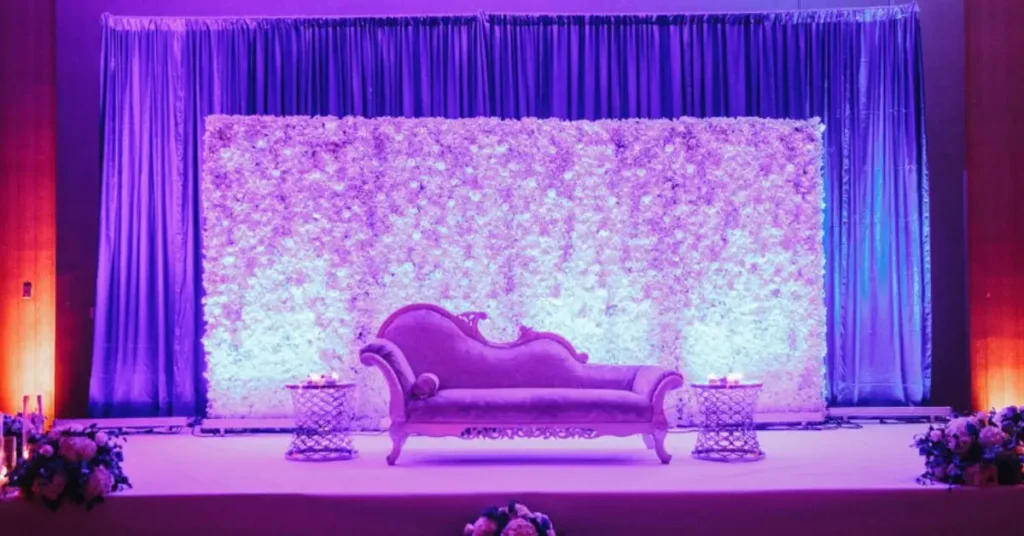
Blog What to Look for Before Booking an Indoor Stage Rental in Palm Beach Indoor events have a way of exposing weak planning almost immediately. Guests may not know why a room feels awkward, but they notice when speakers look disconnected from the audience, when sightlines are blocked, or when the stage lighting makes the entire presentation feel flat. Good staging rarely draws attention to itself because it supports everything around it quietly. Bad staging becomes part of the event, whether anyone intended it to or not. That is why choosing an indoor stage rental in Palm Beach deserves more thought than comparing square footage and rental pricing. The Venue Will Decide More Than You Think Ballrooms and conference spaces come with their own personalities, and some are far less cooperative than they appear during walkthroughs. Ceiling heights change from one section of the room to another. Freight access may be limited to a narrow service hallway. Some venues schedule events so tightly that setup crews inherit impossible timelines before guests arrive. Carpeted floors create leveling issues more often than people realize, especially in older hotels where the subfloor has settled unevenly over time. We always look at the room before talking seriously about staging dimensions because venue limitations shape nearly every production decision that follows. Stage Size Has to Match the Room Properly Oversized staging is one of the most common mistakes at indoor events. People assume bigger automatically feels more impressive, but scale matters. A stage that dominates the ballroom can make presenters feel isolated and strangely distant from the audience. The opposite problem happens too. Small platforms tucked into the corner of a large room make keynote speakers disappear behind banquet tables and floral arrangements. The right stage size depends on audience layout, presentation format, screen placement, and how movement will happen throughout the event. None of those decisions should be improvised during the week of setup. Safety Should Never Feel Optional Most guests never think about stage safety unless something goes wrong, which is exactly how it should be. Stable staging is supposed to feel invisible. What people do notice are shaky stairs, exposed cables, uneven surfaces, and awkward access points that force speakers to climb onto the platform uncomfortably. Professional setups account for practical details long before doors open. Important considerations include: ADA-compliant ramps Secure stage locking systems Proper cable routing Non-slip stage surfaces Level support across uneven ballroom flooring Those details may sound small until somebody in formal shoes nearly slips while walking onstage under bright lighting. Lighting Carries More Weight Than Décor People spend enormous amounts on décor while treating lighting like an afterthought, which honestly makes little sense once you have worked enough events. Lighting controls the mood of the room. It shapes how faces appear on camera, how branding looks on screens, and how much energy the audience feels during presentations. Poor lighting drains life out of even expensive staging designs. Harsh overhead ballroom fixtures flatten everything visually and make speakers look exhausted. Controlled lighting adds depth, focus, and clarity without overwhelming the room itself. AV Planning Needs to Happen Early Indoor productions have become increasingly technical over the last several years. Stages now support LED walls, presentation graphics, livestream equipment, confidence monitors, multiple microphones, and synchronized playback systems all at once. Once those pieces start getting layered together without proper planning, setups become messy very quickly. We have walked into beautiful venues where cables crossed guest walkways and oversized screens blocked half the audience’s view because nobody accounted for spacing ahead of time. Technical coordination matters even more during high-pressure business events that resemble large corporate stage rentals in Orlando productions, where timing errors become painfully visible the moment the presentation starts. Coordination Separates Experienced Crews From Everyone Else The biggest difference between strong production teams and inexperienced ones usually appears during setup hours before guests arrive. Experienced crews move with structure because staging, lighting, audio, and venue coordination were already planned. Inexperienced teams tend to troubleshoot basic logistical problems in real time, which creates stress that spreads across the entire production schedule. At Arc Divine, we understand how much smoother indoor events become when every technical and staging element works from the same coordinated plan instead of operating independently. Conclusion Before moving forward with any indoor stage rental in Palm Beach, spend a little time paying attention to how the company actually approaches the work behind the scenes. Anybody can drop stage panels into a ballroom. That part is easy. What matters is whether the setup fits the room properly, whether presenters can move comfortably, whether the lighting feels natural once guests sit down, and whether the entire production runs without constant last-minute adjustments. People may not walk out talking about the stage itself, but they absolutely remember when an event feels smooth, organized, and comfortable from start to finish. If you are putting together an indoor event and want a setup that feels intentional instead of pieced together under pressure, reach out to us, and we will help create a stage design that makes sense for your venue, your audience, and the way the event is actually going to unfold. FAQs 1. How far in advance should I book an indoor stage rental in Palm Beach? For larger events, booking several weeks ahead is always safer, especially during busy event seasons when venues and production schedules fill quickly. 2. What stage size works best for indoor corporate events? The right size depends on audience count, room dimensions, screen placement, and how presenters will move throughout the event. 3. Can indoor stages support lighting and LED wall setups? Yes, professional staging systems are designed to integrate with lighting rigs, LED walls, sound systems, and other AV equipment safely. 4. Why does venue layout matter so much for stage planning? Ballroom dimensions, ceiling height, access points, and floor leveling all affect how the stage functions once the event begins. 5. What separates professional staging companies from basic rental providers? Experienced crews focus